
When it comes to pursuing storm damage insurance claims, you’ll need to ensure you’re going about things the right way. This useful guide outlines everything you need to know about storm damage claims, from immediate steps to take in the aftermath of a storm to navigating the claims process.
What is storm damage?
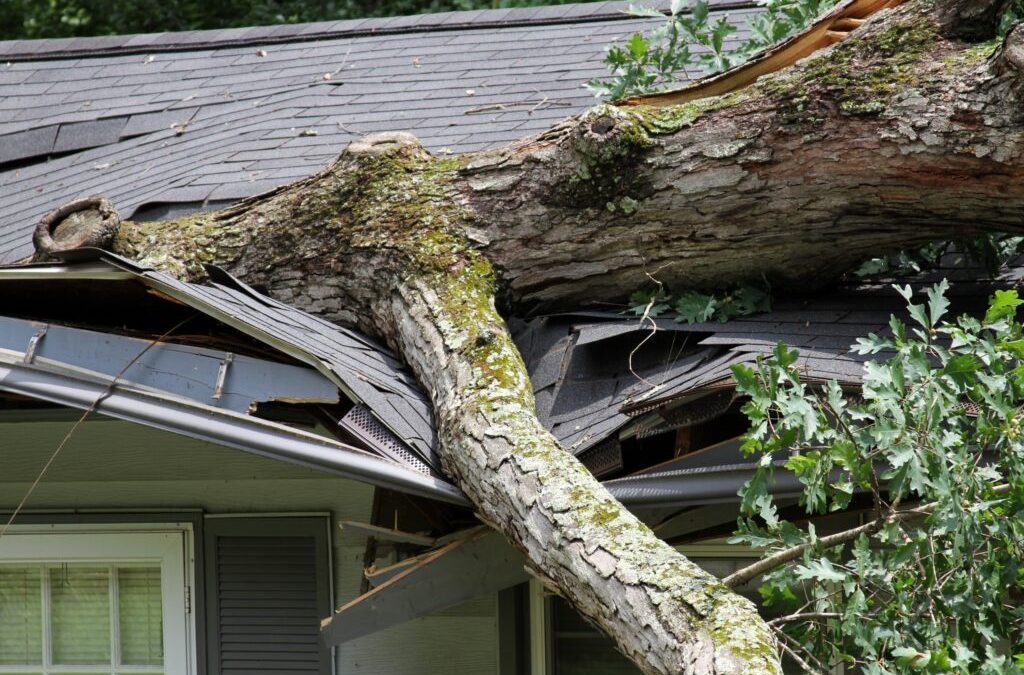
Storm damage is any damage or destruction caused by severe weather events such as storms, snowfall or heavy rain. This can include damage to buildings, homes, infrastructure, vehicles, or landscapes. Storm damage can range from minor issues like broken tree branches or roof shingles to more severe damage like structural collapses, flooding, or uprooted trees.
From an insurance point of view, disputes can arise over what is considered a “storm”. Some insurers use a system called the Beaufort scale to decide whether to pay out in the event of a claim. This categorises wind speed on a scale of 0 to 12, and if the winds at the time of your damage did not hit a certain point on this scale, your insurer may argue that they do not count as storm-force winds that could damage a building.
What should I do in the aftermath of storm damage?
After a storm, it is crucial to take immediate action to ensure your safety, prevent further damage, and begin the recovery process. Here are some important steps to take in the aftermath of storm damage:
Ensure safety first
The safety of you and your family should be the top priority. Before entering your damaged house, you should thoroughly assess the exterior for any signs of structural instability. If you suspect that your home may be unsafe, contact a professional to conduct a thorough inspection before you enter. You should also be cautious of downed power lines, gas leaks, or other hazards that may pose risks. Only return to your house once it has been deemed safe.
Seek temporary shelter
If your home has suffered significant damage and you can no longer live there, make arrangements for temporary shelter. Reach out to family or friends to see if you can stay with them temporarily. If that is not possible, contact local emergency services or disaster relief organisations for assistance in finding temporary accommodation. They can provide guidance and resources to help you during this challenging time.
Prevent further damage
You must take immediate steps to prevent further damage to your property. Cover any broken windows or damaged areas with tarps or boards to prevent water infiltration. If there are any exposed electrical wires, shut off the power supply to that area of the house. Remove any wet or damaged items to prevent mould growth.
Clean up and remove debris
Once you have ensured safety and mitigated further damage, it’s a good idea to clean up and remove debris from your property. This may involve clearing fallen trees or branches, disposing of damaged furniture or belongings and removing any accumulated water. Be cautious when handling debris, as there may be sharp objects or hidden hazards.
Keep detailed records of expenses
Throughout the recovery process, it is essential to keep detailed records of all expenses related to storm damage and restoration. This includes receipts for temporary repairs, and any other costs incurred. These records will help you track your expenses and serve as evidence when you come to All Property Claims. You should organise your documents in a secure and easily accessible manner, as you may need to refer to them during the claims process or for future reference.
What does the claim process for storm damage insurance typically look like?
Understanding the claim process is crucial for a smooth recovery and ensuring that you receive the compensation you deserve. Here’s what a typical storm damage insurance claims process with All Property Claims may look like:
Documenting the damage
The first essential step in the claim process is to thoroughly document the storm damage. Take photographs or videos of all affected areas, both inside and outside your property. Capture images of damaged roofs, broken windows, water infiltration, and any other visible signs of damage. These will be provided as accurate evidence for All Property Claims.
Contact All Property Claims
Once you have documented the damage, contact All Property Claims to initiate the claim process. Provide us with all the necessary information, including the documentation you have gathered. Be prepared to provide your policy number, the date of the storm, and a brief description of the damage. We will assign our surveyor to assess the damage and determine the coverage you are eligible for.
Assessing the damage
If you instruct us to deal with your claim, we will appoint our surveyor to visit your property to assess the damage you have suffered. He will take detailed photos and measurements of each affected room along with a statement from you as to the cause of damage. We will then prepare a detailed scope of repairs and present your claim to your insurer.
Your insurer will very likely appoint a loss adjuster to represent them. We will meet the insurance company’s loss adjuster at your property to review the claim, inspect the damage and agree the repairs required to put you back to the way your property was before the storm. If required, we will also negotiate alternative accommodation for you or loss of rent if you are a landlord.
Preparing a report
Preparing a report involves a prompt and thorough process following our survey. After conducting the survey, our team dedicates itself to compiling a comprehensive report that outlines all our findings. The key purpose of this report is to present the scope of repairs needed to put the property back to its pre-loss condition. This ensures that all parties involved are fully informed and that the insurance process can proceed without delays.
Emergency repairs
While waiting for the claim to be processed, it is essential to take immediate steps to prevent further damage and make temporary repairs. This may include covering broken windows, tarping damaged roofs, or removing debris. Keep detailed records and receipts of all temporary repairs as they may be reimbursed as part of your claim. If required we will also undertake for you any drying and mould remediation to mitigate further damage.
Agreeing all damages
The process of agreeing on all damages is a critical step in ensuring that your claim is handled efficiently and fairly. To facilitate this, your insurer will appoint a loss adjuster. This professional is tasked with the responsibility of evaluating the claim in detail.
The loss adjuster meets with our surveyor on-site to review our findings and agree on all damages associated with your claim. This ensures that the scope of repairs are in line with the actual damages and necessary repairs, paving the way for a smooth claim settlement process.
Claim settlement and repairs
After the meeting with the insurance company’s loss adjuster, we will negotiate the claim settlement. Once your claim has been agreed upon by insurers, our restoration contractors will carry out all of the insurance-approved work that needs to be done. We will send the invoice directly to your insurer so you won’t need to pay a penny other than the excess stated on your policy document.
Assistance with roof damage claims and more at All Property Claims
All Property Claims can help with presenting, negotiating and settling your storm damage insurance claim for internal repairs, ensuring you get all that you’re entitled to. Get in touch with us today to find out more about how we can help you.