

Insurance claims are often a last resort, avoided because they can be challenging to make. However, making a claim can be a worthwhile option, particularly when carried out correctly. As a landlord, there might be many things you have to worry about, but making a claim after your tenants have caused damage to your property shouldn’t be one of them. In this article from All Property Claims, you can learn more about the reasons you might make a claim and how to do so with the help of our team.
Grounds for a Claim
Insurance is designed to keep you protected if the worst happens, whether it’s a fire in your own home or malicious damage to your property. As a landlord, there are some circumstances in which you may be able to claim funds back from your insurer to cover the cost of any repairs. In this section, you can learn more about circumstances that are likely to be accepted, and which might not be. If you’re still unsure of whether certain situations are covered by your property damage insurance policy, it’s worth rereading your agreement or seeking the support of insurance claims experts.
What Can Be Claimed
When making property insurance claims as a landlord, it’s important to know what types of tenant damage will be accepted as reasonable evidence to approve the request. Typically, insurance will cover any malicious damage, as well as damage caused by the tenant’s negligence. An example, therefore, could be a window that has been purposefully broken by a tenant. Negligent damage is slightly more complicated, so read on to discover more about this instance in this article.
What Cannot Be Claimed
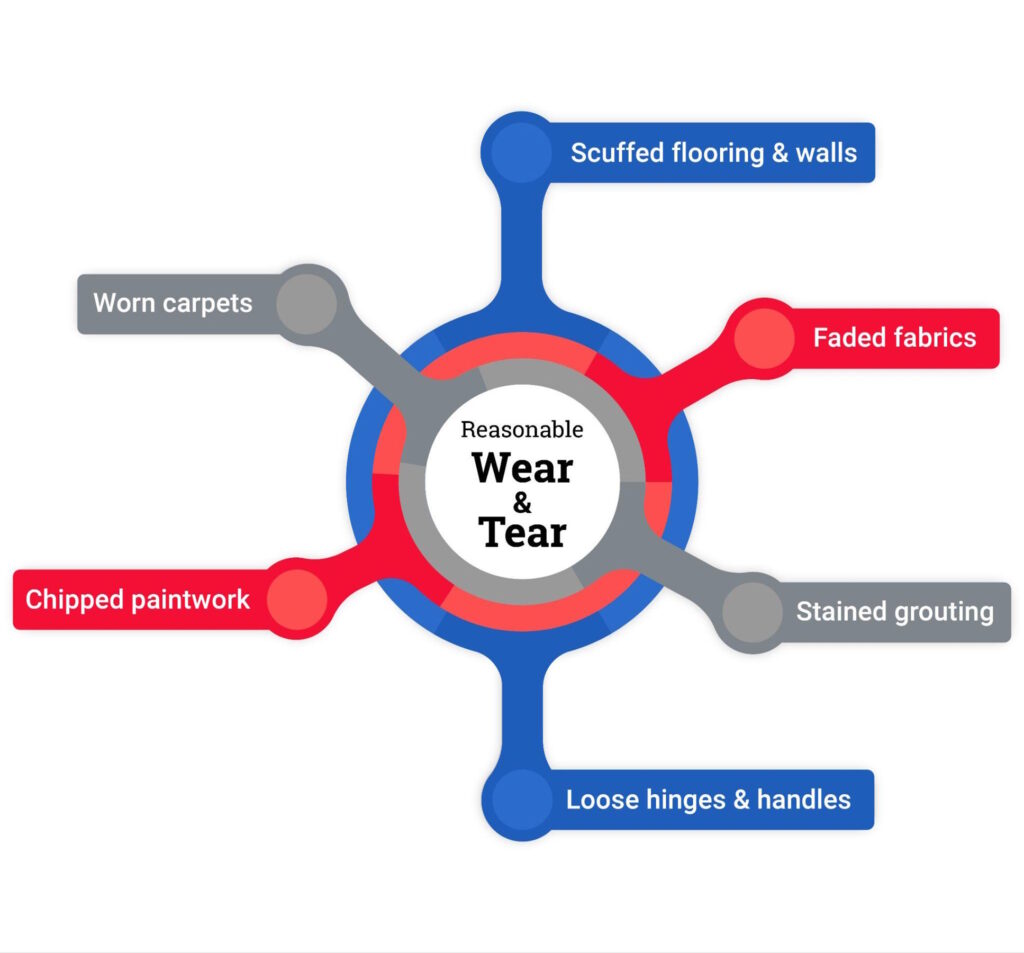
While serious and purposeful damage caused by your tenants can be sufficient for an insurance claim, reasonable wear and tear will not be entertained as enough. Reasonable wear and tear refers to the natural impact of a person living within a property. This wear and tear can apply to all the included goods and surfaces within your property, including but not limited to, flooring, appliances and the walls.
Examples of Property Misuse
Depending on what you and your tenants have agreed per the tenancy agreement, misuse of a property may look different for some than for others. Generally, however, property misuse or negligence is a case of tenants failing to care for the property as if it were their own, and allowing the property to become damaged.
Damaged Fixtures
Light fixtures are an essential part of a home, keeping the space warm and well-lit for tenants. If these fixtures are misused, however, they can lead to property damage. A tenant may choose to hang items off of a light fixture, which can cause strain and damage to the fixture itself. This is an example of fixture misuse, as fixtures are not designed to support the weight of heavy items.
Similarly, if your tenant has allowed an issue with any fixtures within your property to persist, this could also be considered negligence. Loose and frayed wires, for example, need to be addressed quickly and properly, as left unchecked these can become a dangerous fire hazard.
Water Damage
In some cases, damage may be caused by a tenant’s carelessness with the taps found in the property. General disregard and negligence could be evidenced in a tenant allowing sinks or bathtubs to overrun, causing flooding or water damage. Additionally, this will often lead to other issues, including dampness and mould throughout the property.
Similarly, a tenant’s misuse of the property’s plumbing can become apparent in blockages within the pipes. Negligently or purposefully pouring the wrong materials down the drain can lead to a build-up that harms the pipework, including cooking oil or baby wipes. A good tenant will responsibly waste any products they need to dispose of.
Pest Problems
In some cases, negligence from your tenants refers to a situation in which they choose not to inform you of important information or events regarding your property. One issue that may be left unreported by your tenants is a pest infestation. This could be because the tenants have carelessly created an environment in which the pests thrive, leaving them partially responsible.
Pests come in many different forms and are attracted to different environments. Rats and mice seek out soft materials that can be used as nests, making strewn piles of clothing a prime target. On the other hand, pests such as cockroaches and silverfish thrive in damp and moist environments, which could be increased by your tenant’s preference to allow the property to remain damp. By responsibly keeping the flat dry and clean, the likelihood of pests thriving is kept to a minimum.
Our Advice for Landlords
If you have fallen victim to damage caused by a tenant, increasing your chances of making a successful claim will be beneficial in keeping costs low for the relevant property repairs. In this section, you will learn some of the top tips from All Property Claims to help you prepare to obtain the funds you need.
Maximising Your Chances of a Successful Claim
In the best-case scenario, your claim will be successful. However, it’s important to remember that this isn’t always a given. Some claims are rejected due to insufficient evidence, where your insurer may argue that you cannot prove the damage was caused by your tenants. The graphic below provides some helpful key tips for ensuring you can provide substantial evidence to your insurance company, should they request it.

While this advice should help improve your chances of a successful claim, it’s important to remember that any claim you make will be unique to your circumstances, including how your insurance policy works and the terms agreed between yourself and your tenant in the tenancy agreement.
Utilise Our Expertise
Our friendly staff at All Property Claims are here to help you successfully receive the funds you deserve following damage caused by your tenants. We can help you achieve a better resolution, as well as keeping you informed of our process each step of the way. We’re an FCA-registered company too, evidencing the high standard of all of our work.
Our Insurance Claims Management Services
Should you have experienced property damage caused by your tenants, making a claim can be a challenging and daunting process. Thankfully, our team at All Property Claims are on hand to help. Read on to find out more about what we do.
How Our Process Works
If you’re concerned about damage caused by tenants who have lived on your property, allow us to help you at All Property Claims. Our process will begin following your initial phone conversation with us, during which we will collect your insurance company’s details and arrange a survey to be conducted at your property. Then, our surveyor will take pictures and measurements of the damage caused to your property, which will be used in a report and a quote, both sent to the insurer within 48 hours.
Once the report has been received by your insurers, we will request that they appoint a loss adjuster, who will meet our surveyor on your property to agree on the costs. As soon as the costs have been confirmed, our restoration contractor will carry out reinstatement tasks on the damaged property within 48 hours. Finally, following the completion of all work, our team will send our bill to your insurers, while you simply cover the price of your policy excess. To learn more about our process, visit our website.
Get In Touch
For advice about making property damage claims as a landlord, please visit the All Property Claims website. Here, you can find information about the reasons to use us, the types of claims we can assist with, and the reviews left by our previous clients. Alternatively, for further advice and support, contact us directly today.