
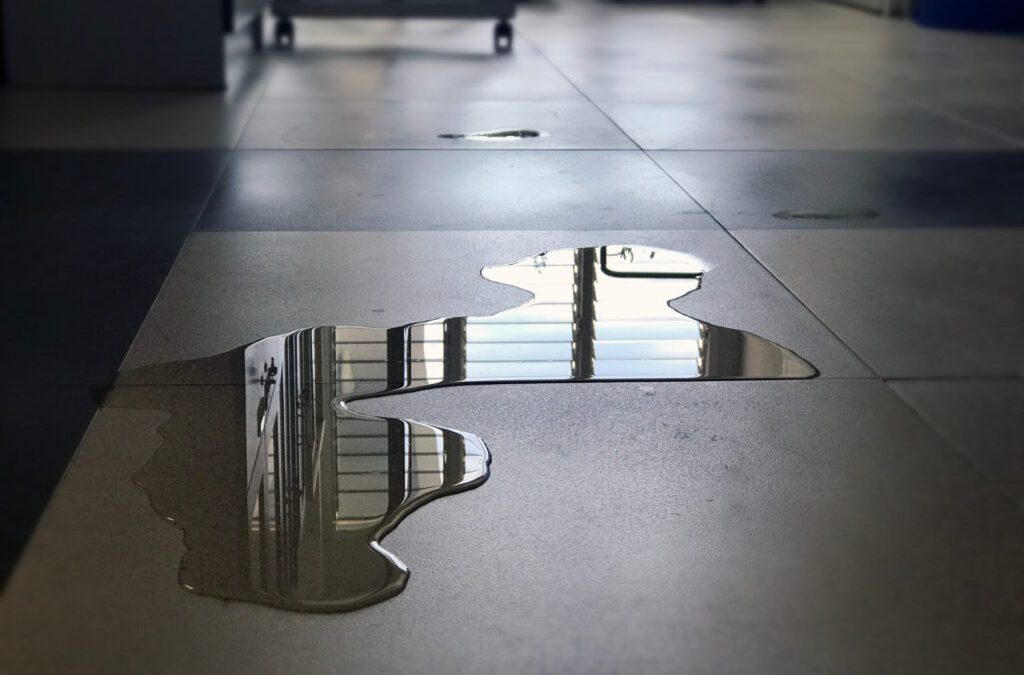
Water damage is one of the most common and costly problems homeowners face. From flooding caused by heavy rain to leaks from burst pipes, the consequences of water damage can be devastating. Not only can it affect the structure of your property, but it can also lead to mould, rotting wood, and long-term health hazards. At All Property Claims, we understand the importance of preventing water damage, which is why we’ve put together this guide, offering expert tips to safeguard your home.
Understanding Water Damage and Its Common Causes
Water damage can occur in many different forms and for various reasons. Whether caused by natural events or plumbing issues, it’s important to recognise the signs early and take steps to prevent further damage. Learn about four key common causes of water damage below.
Flooding
During periods of extreme weather, flooding can put your home at risk of water damage. From heavy rains to melting snow, water can find its way into your property and cause damage, often undetected. The consequences of flooding can vary, from minor blemishes on the building’s surface to structural failures, which can require costly repairs.
Leaking Pipes
Most properties have a network of pipes running throughout, used to transport water to the area it is needed. Unfortunately, damaged or corroded pipes can begin to leak water, which might not be detected until water damage has occurred in the property.
Roof Leaks
The roof of your home is designed to protect it from damage, shielding it from forces like weather. Unfortunately, if your roof has missing tiles or is damaged, it will likely be less effective at protecting your home from water. This can result in damage to your ceilings, walls and floors.
Faulty Appliances
Appliances with direct water lines can be incredibly helpful when installed in any property, from dishwashers to washing machines. If something goes wrong, however, these appliances can be responsible for causing major water damage.
Water Under Floorboards and Wooden Floors
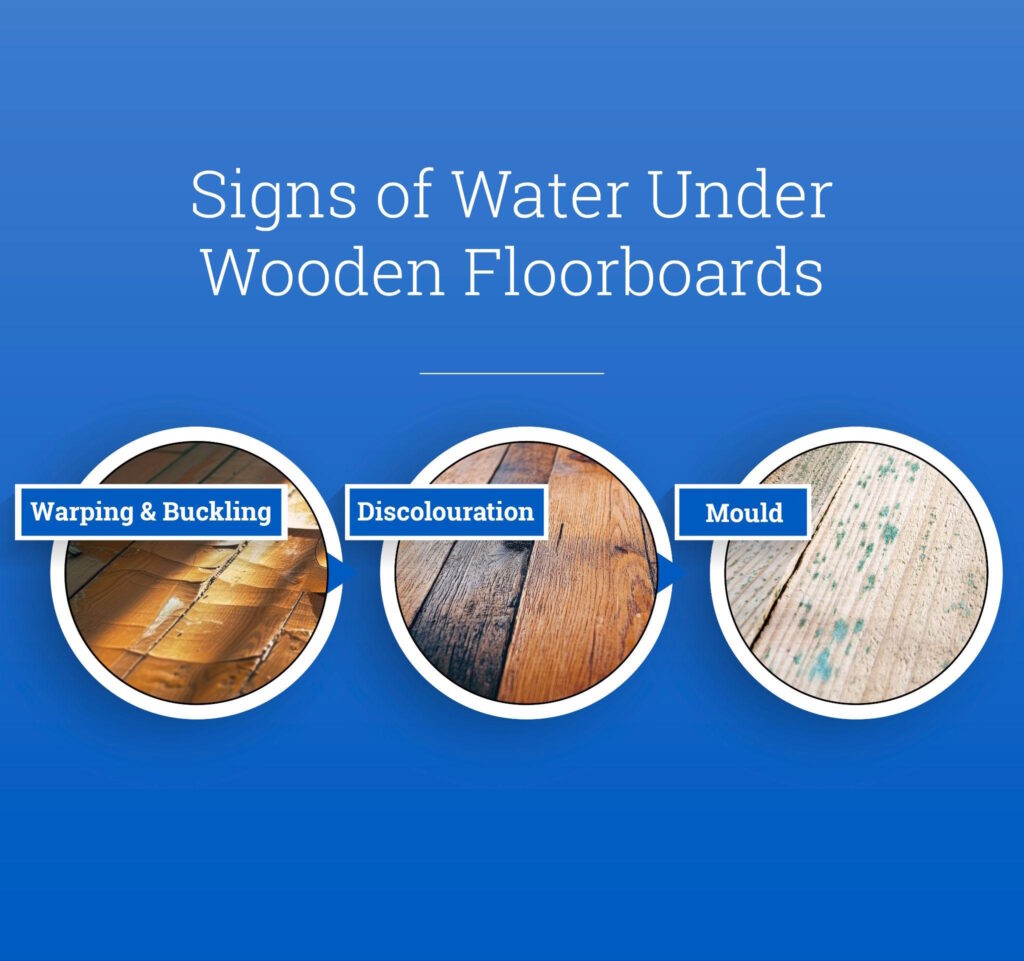
When water seeps under your wooden floors, it’s often not immediately visible. Water pooling under floorboards can result in substantial damage, which may not show up until weeks or even months later. Over time, moisture trapped under floors can cause wood floor water damage, warping the wood, and potentially creating permanent structural issues. This section will cover some of the signs that suggest there is water under the floorboards.
Warping and Buckling
Wooden floors that begin to curve or warp, particularly in areas near the edges or joints, may be a sign of water damage. When exposed to excess water, the wood fibres of your floorboards will swell. This uneven expansion changes the way your wood then appears, giving you an idea that there may be water beneath.
Discolouration
Water can also cause discolouration in wood, so if you notice a colour change, water may be beneath your floorboards. The wood may start to develop dark patches where the water has seeped in, or deepen in colour in places.
Mould and Musty Odour
The presence of water under the floor can lead to mould growth, causing a musty smell throughout the property. As water can create a moist environment, it provides the perfect place for mould to grow. Mould growth can be dangerous, triggering allergic reactions, respiratory issues, and worsening existing conditions like asthma.
To prevent water damage from going undetected beneath your floorboards, regular inspection of your floors is a must. If you notice any of the above signs, it’s worth contacting a professional.
How to Safeguard Your Home from Water Damage
Rather than reacting to water damage, it’s often better to protect against it happening in the first place. To prevent water from damaging your home, it’s important to be proactive. Below, you can find some expert tips that help you protect your home from water damage and its impacts.
Inspect and Maintain Plumbing
Regular plumbing maintenance is essential. Over time, pipes can deteriorate, increasing the risk of leaks. Have your plumbing system checked at least once a year by a professional plumber, particularly if your home is older. Look out for signs of leaks, such as water stains or dampness around pipes.
Protect Wooden Floors
If you have wooden floors, installing moisture barriers and using area rugs can help prevent water from seeping into the wood. Choosing rugs with waterproof backings can further enhance their protective capabilities. Additionally, consider using a dehumidifier to maintain optimal moisture levels in your home, particularly during wet weather. By extracting excess moisture from the air, a dehumidifier helps prevent the wood from absorbing excessive amounts of water, minimising the risk of warping and other moisture-related damage.
Check Your Roof and Gutters
To prevent leaking through your roof, make sure your roof is in good condition and that any gutters are free from debris. Blocked gutters can lead to water pooling on the roof, eventually causing leaks inside the home. Regular inspections can prevent roof damage and protect your property.
Be Prepared for Extreme Weather
If you expect harsh weather conditions, taking precautions can prevent water from entering your home. When severe storms, heavy rainfall, or potential flooding are forecast, proactive measures can make a significant difference. Reinforcing your windows and sealing doors, for example, can stop water from entering. If you have a basement area, it’s also worth checking this area for any water pooling.
What to Do If Water Damage Happens
Even with preventative measures in place, unfortunately, damage can still occur. If water damage has taken place in your property, find out what to do in this section.
Turn Off the Water Supply
If you notice water damage in your property, you will need to first stop the damage from happening. Before anything else, shutting off your water supply at the mains can help to reduce the amount of water being sourced from your pipes. This can be especially helpful with leaking pipes and appliance malfunctions.
Dry Out the Area
To prevent further damage from happening, it’s important to dry out the area if safe to do so. Using towels and mops is a great place to start, as the materials they are made of are highly absorbent and can soak up significant amounts. While doing so, try to remove any valuables and materials that will be easily destroyed by water from the surrounding area.
Contact a Professional for Assistance
Once you have stopped the immediate issue, it’s time to address what caused the problem. Repairs will need to be carried out to prevent further damage, whether it is fixing a hole in the roof or repairing faulty appliances.
Arrange Restoration Work
Once the water damage has been stopped, you can then start the process of arranging damage restoration work. This is where All Property Claims, a trusted insurance claims management company, can help.
Why You Should Contact All Property Claims First
At All Property Claims, we specialise in managing insurance claims for water damage. We act on your behalf, ensuring you get the compensation you deserve and your property is restored to its pre-damage condition.
By contacting us first, you can avoid the common pitfalls of dealing directly with your insurance company. Insurers may pressure you to settle for a lower payout or fail to fully assess the damage. Our experts will ensure that your claim is properly handled and that the necessary repairs are made.
We work directly with your insurer to handle the claim, ensuring a fair settlement. Our restoration contractors are then ready to carry out any necessary work, so you don’t need to worry about finding a contractor yourself.
Water Damage Claims with All Property Claims
Preventing water damage is essential for maintaining the integrity and safety of your home. By following our expert tips, you can reduce the risk of costly repairs and keep your home protected. However, if water damage does occur, it’s important to act quickly and get in touch with professionals to assess the situation.
Don’t wait until the damage gets worse. If you’re dealing with water damage, from flood damage to leaking pipes, contact us at All Property Claims today to help manage your insurance claim and ensure your home is restored to its original state.