
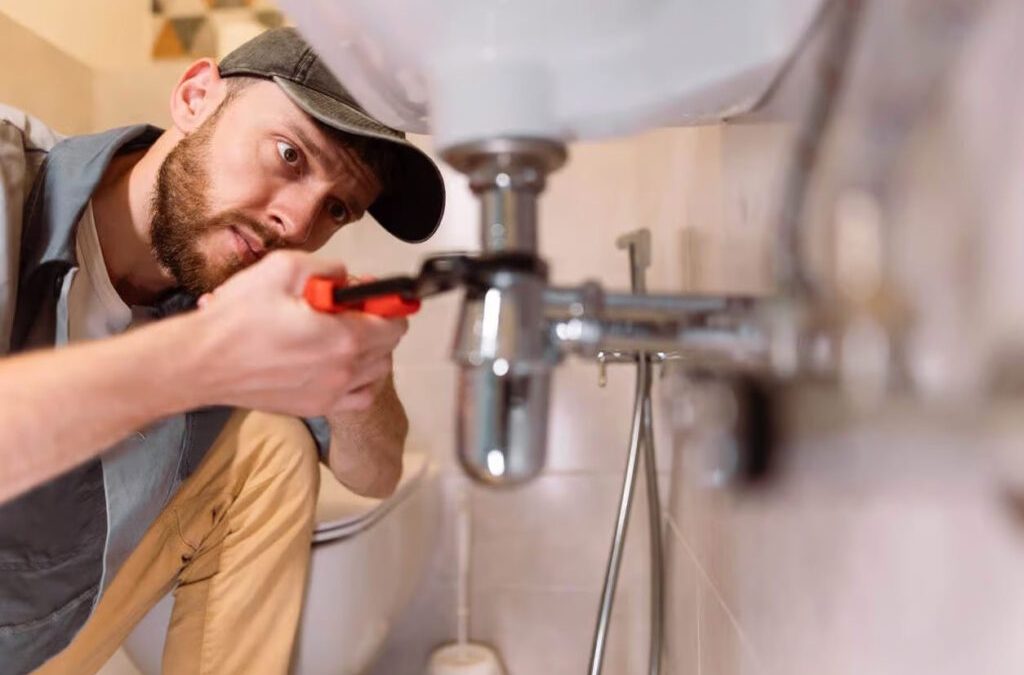
Leaking pipes.
These two little words can strike fear in the heart of any homeowner, as the potential for water damage, mould growth and a hefty repair bill can be incredibly daunting. But don’t panic! The team at All Property Claims are here to help you get through this situation and reduce the damage to your property.
In this quick guide, we’ll equip you with the knowledge to tackle various types of leaks, take immediate action to prevent further damage and find out how your actions can impact potential insurance payouts.
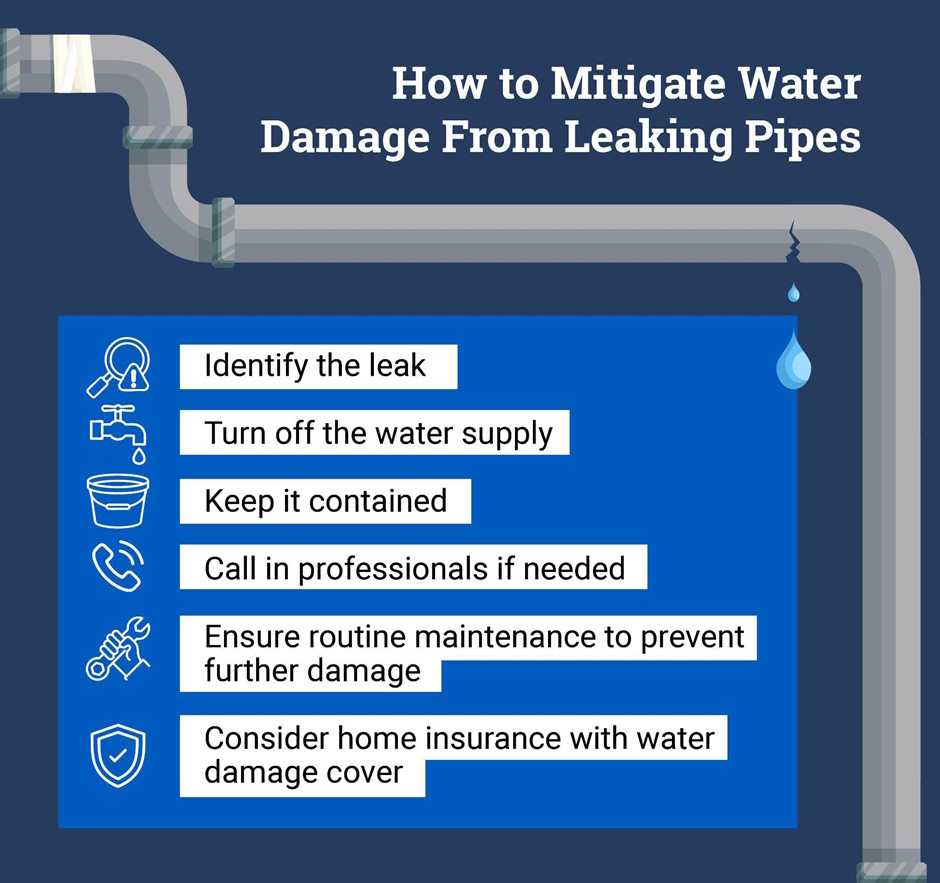
Identifying the Leak
The first step is identifying the source of the leak. Some of the biggest culprits tend to include:
- Cracked or loose pipes: These can occur due to age, corrosion or freezing temperatures.
- Worn-out seals: Seals around faucets, washing machines or dishwashers can deteriorate over time.
- Faulty connections: Leaks can sometimes occur at pipe joints due to improper installation or loose fittings.
Keep an eye out for signs like damp patches on walls or ceilings, unexplained water meter movement or the sound of running water when everything is turned off.
Taking Immediate Action
Once you’ve found the leak, there’s no time to lose. Here’s what you can do immediately to help:
- Turn off the water supply: Locate the main stopcock in your home and turn it off completely. This will prevent further water from flowing through the damaged pipe.
- Contain the leak: If possible, place buckets or towels under the leak to catch any dripping water. This will help reduce the spread of the damage.
- Open windows and doors: Encourage ventilation to prevent moisture build-up and potential mould growth.
Managing Different Leak Types
The next steps you will need to take will depend on the severity of the leak:
- Small leaks: For minor drips or leaks, you might be able to address the issue yourself by tightening loose fittings or replacing worn-out seals. However, it’s always best to consult a qualified plumber to ensure the repair is done correctly.
- Major leaks: For larger leaks or burst pipes, don’t attempt repairs yourself. Call a professional plumber immediately to minimise the damage.
Long-Term Measures
After the leak has been fixed, it’s important that you take the right steps to prevent it from happening again, including:
- Regular maintenance: Schedule annual inspections with a plumber to identify potential problems early on.
- Insulate exposed pipes: This is particularly important in areas prone to freezing temperatures.
- Upgrade old pipes: Consider replacing ageing pipes with more durable materials like PEX to reduce the risk of leaks.
How Home Insurance Can Help
Having home insurance with water damage cover can be a lifesaver in these situations. However, it’s important to note that insurance companies may consider how you handled the leak when assessing your claim. Taking swift action to mitigate damage demonstrates your responsibility as a homeowner and strengthens your claim.
Here at All Property Claims, we understand the stress of dealing with water damage. If you experience a leak and need to make a claim, our dedicated team is here to guide you through the process. We can help you understand your policy coverage, gather the necessary documentation and make certain that your claim is settled fairly and efficiently.
Looking for more information about our services or to obtain a free quote? Get in touch with our helpful team today.