
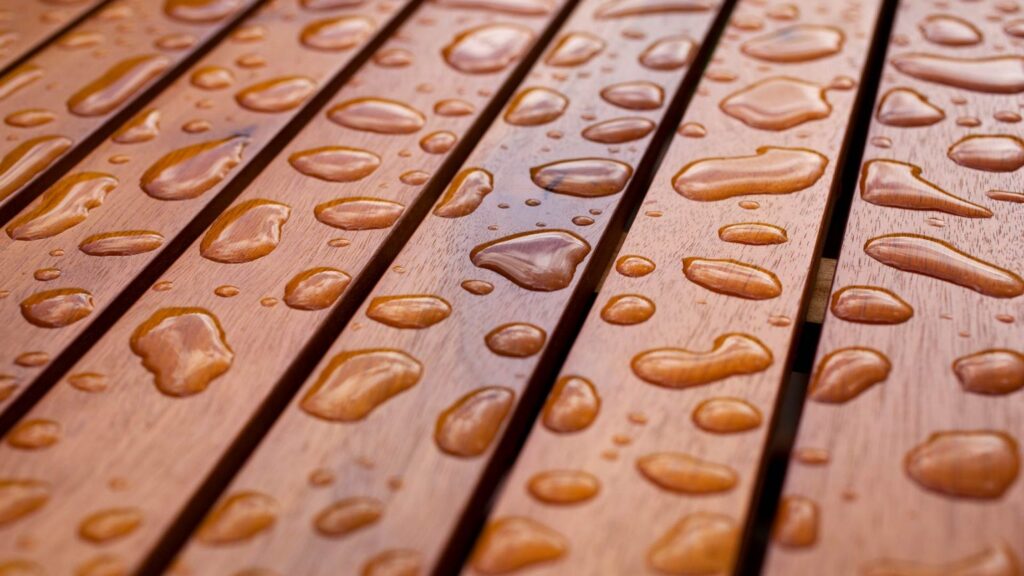
Whether your property has been affected by a flood or damaged by an escape of water leak, the resulting water damage can go beyond what the eye can initially see. In many instances, water can soak through your flooring and even seep underneath your floorboards.
If this isn’t tackled effectively, it can lead to further damage down the line, such as mould growth, rotted wood or warping or buckled flooring. As such, it’s essential that any wood floor water damage is dried out properly to prevent such issues. Read on as we discuss the steps in drying out water damaged flooring.
Drying the Subflooring
If your flooring is water damaged, then it’s not always good enough to just dry it on a surface level. Instead, you should strip both your surface level floor coverings and floorboards, so that the subflooring underneath can be sufficiently dried.
The most effective way of doing this is by using a combination of dehumidifiers and drying machines, as well as ensuring adequate ventilation throughout. Ensuring the subflooring is adequately dry means you can replace the floorboards without worrying about any remaining damp underneath.
Replacing the Floorboards
When wood flooring is saturated with water, it can quickly start to rot, warp or develop mould. Even if you attempt to dry it out, the prolonged exposure to moisture can leave it structurally weak. The best course of action, then, is to replace the floorboards entirely.
This ensures a strong, dry base is in place to continue offering adequate support for your floor coverings, furniture and frequent footfall.
Replacing the Flooring
Lastly, you’ll want to replace the flooring itself. Whilst it may be tempting to only replace the specific area of flooring that has been damaged, due to the effects of natural wear and usage, patch-repairing in this way may result in an obvious discrepancy between the new and the old flooring. For example, the old flooring may be slightly duller or discolored compared to the new flooring.
Subsequently, it may be better to replace the whole flooring, ensuring it appears consistent throughout.
Filing an Insurance Claim
The best thing you can do if you’ve experienced water damage to your flooring isn’t to attempt to dry it out yourself, but to file an insurance claim.
Rather than going directly to your insurers, come to us here at All Property Claims. As independent loss adjusters, we’ll work directly with your insurers whilst keeping your best interests in mind, ensuring they cover the costs to ensure all flooring is adequately dried out and replaced as necessary.
Get in Touch
If you’re dealing with water damaged floors, then getting this rectified promptly is in your best interest. Making an insurance claim is often your best option when it comes to effectively repairing the damage without having to cover the costly expenses out of your own pocket.
Here at All Property Claims, we can handle the process for you, ensuring your insurers don’t cut any corners. Get in touch with us today to enlist our help.