

Water damage is one of the most common yet underestimated issues that can affect a property. From hidden leaks to sudden floods, the impact can range from minor cosmetic problems to severe structural damage. In this guide, you can discover how water damage occurs, what it looks like, and how to deal with it.
Identifying the Signs of Water Damage
If you suspect your property has become water-damaged, it’s important to be certain. Thankfully, water damage often leaves behind telltale signs, making it easy to detect. Here, you can find some of the ways water damage can make itself known.
Stains or Discolouration
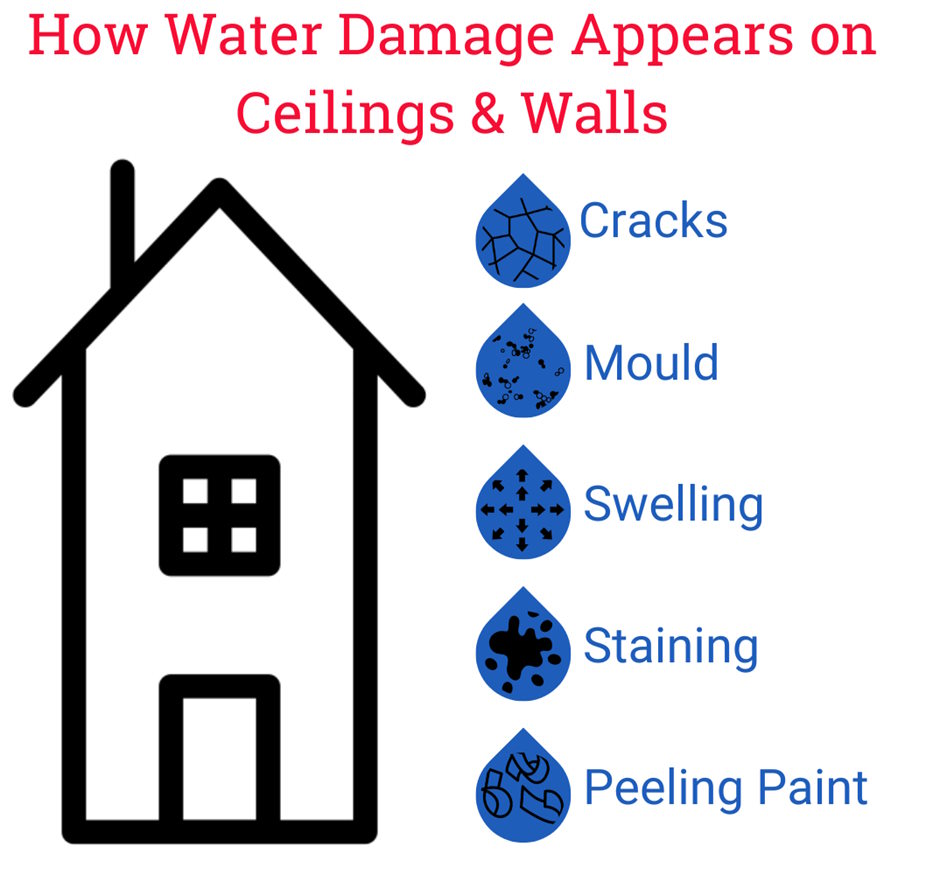
One of the easiest ways to detect water damage is to look out for stains and discolouration. Stains caused by water damage are typically found on ceilings and walls. Common colours for these stains are brown, yellow, or copper, showing where water has pooled and seeped through. Additionally, prolonged exposure to dripping water can cause vertical streaks on walls, making it a key indicator of water damage.
Peeling, Bubbling or Cracking
In addition to stains and discolouration, water damage can also be presented in paint or wallpaper. If you suspect water damage, look out for peeling, bubbling or flaking on your paint or wallpaper, as it shows that moisture is trapped underneath. In severe cases, water damage can also weaken the plaster of a property and lead to visible cracks.
Warping or Swelling
As water is absorbed, wooden floorboards can begin to buckle, warp, or swell. Over time, this can lead to significant damage that compromises the structural integrity of the flooring. Similarly, wooden frames that have absorbed large volumes of water can smell, making it difficult to open or close. This can often lead to further water damage by trapping moisture and reducing ventilation, leading to ongoing damp issues.
Musty Odours and Damp Smells
Hidden behind the surface, dampness caused by water is not always obvious to homeowners. A quick way to detect dampness, however, is by smell. Musty odours and smells can often be present behind wallpaper, underneath floorboards, or even within the cavities of walls. If such odours are detected, it’s crucial to investigate further, as untreated dampness can lead to structural damage.
Mould Growth
Mildew and mould both thrive in moist, warm environments, especially when they have organic materials to feed on. Unfortunately, water damage provides the perfect conditions. Mould can appear in black, green, or white patches that are found in especially damp areas. If you suspect water damage, inspect concealed areas, like behind walls, under carpets, or in low crawl spaces.
Water Pools
One of the most obvious ways water damage can present itself is through visible dripping, leaking, and pooling water. Unexplained water pools can be highly inconvenient and often lead to further issues. Both standing water and recurring pools can suggest water damage, so make sure you know where the water is going from.
Increased Bills
Suddenly high water bills could be a significant indicator that somewhere in your property there is a hidden leak in your plumbing. If you have increased water usage that you can’t explain, it may be worth investigating your plumbing systems for damage and leaking areas.
Damage to Electrical Systems
Electrical systems can be severely affected by water damage, causing a variety of problems. Lighting, for example, can flicker or short should water come in contact. Similarly, outlets or switches that are surrounded by rust and discolouration can indicate water damage.
What causes water damage?
Unfortunately, water damage can occur in multiple ways. Understanding the causes of water damage is essential for preventing it and knowing how to act quickly when it happens. Below, you can find some of the major causes of water damage, helping you identify potential risks and protect your property from harm.
Plumbing Problems and Failures
Pipes are an important part of any property, transporting water throughout. Unfortunately, when pipes wear down or become damaged they can result in significant issues for the building and its inhabitants. Burst pipes, for example, can be caused by extreme weather conditions such as freezing temperatures, releasing large volumes of water quickly.
Roof Damage
The roof of a building is designed to protect a property from damage, such as rain and wind. If the roof itself becomes damaged, often it can let inside water that pools and leads to water damage. In some cases, severe leaks can even result in flooding within the home, causing extensive damage to the buildings and its contents.
Natural Disasters
From storms to flooding, natural disasters can have a large impact on residential properties. When floods occur, it’s difficult to dry out the water that might enter a property, resulting in significant water damage.
Condensation and Humidity
In areas like bathrooms, condensation and humidity can be major culprits for serious water damage. The presence of steam from showers and baths can lead to excess moisture settling on walls, ceilings and floors. This persistent dampness can cause paint to peel, tiles to loosen, and grout to deteriorate.
Dealing with Repairs
As mentioned, water can result in visible and hidden damage that worsens when unresolved. Dealing with repairs doesn’t have to be challenging, as you will see below, but it’s always best to contact the experts if you feel unsure of how to tackle repairs.
Preparing the Area for Repairs
If you need to repair water damage in your property, before anything else you should turn off the power to avoid the risk of electrocution as you work. Next, you will need to identify hazards, such as contaminated standing water. Always wear protective gear when carrying out work, such as gloves, boots, and masks.
Once you have thoroughly prepared yourself, it’s important to locate the leak and stop the source of water from flowing. From here, you should be able to stop the leak from worsening. Here, professional water damage specialists can use expert tools to find the areas that are affected by water.
Drying and Cleaning the Damaged Area
After the leak has been identified and stopped, you can dry the affected areas. While small leaks can quietly and easily dry up alone, significant leaks can benefit from increased airflow to help them dry. A professional can use their expertise to make sure a water-damaged wall or ceiling is properly dried off.
Removing and Replacing Damaged Materials
Unfortunately, some areas can be damaged by water irreparably. To deal with this, water-damaged ceilings and floors may be best removed entirely. Should you need to cut and replace damaged materials, it’s important to wear protective gear. If you don’t feel confident making these repairs, it’s best to contact a professional.
Sealing and Painting for a Fresh Finish
Once the surface has been adequately prepared, it’s time to seal and paint a fresh finish to finally repair the damaged surface. Proper sealing and painting not only improve the appearance but also provide a protective layer to prevent future water infiltration. Remember, you should prime your surface, making sure the next layers will sit properly after water damage has been repaired.
Preventing Future Water Damage
After water damage has been dealt with, thankfully, there are some ways you can prevent future issues from occurring. Here, you can learn how to prevent problems that are caused by water in a property.
Maintain Your Plumbing System
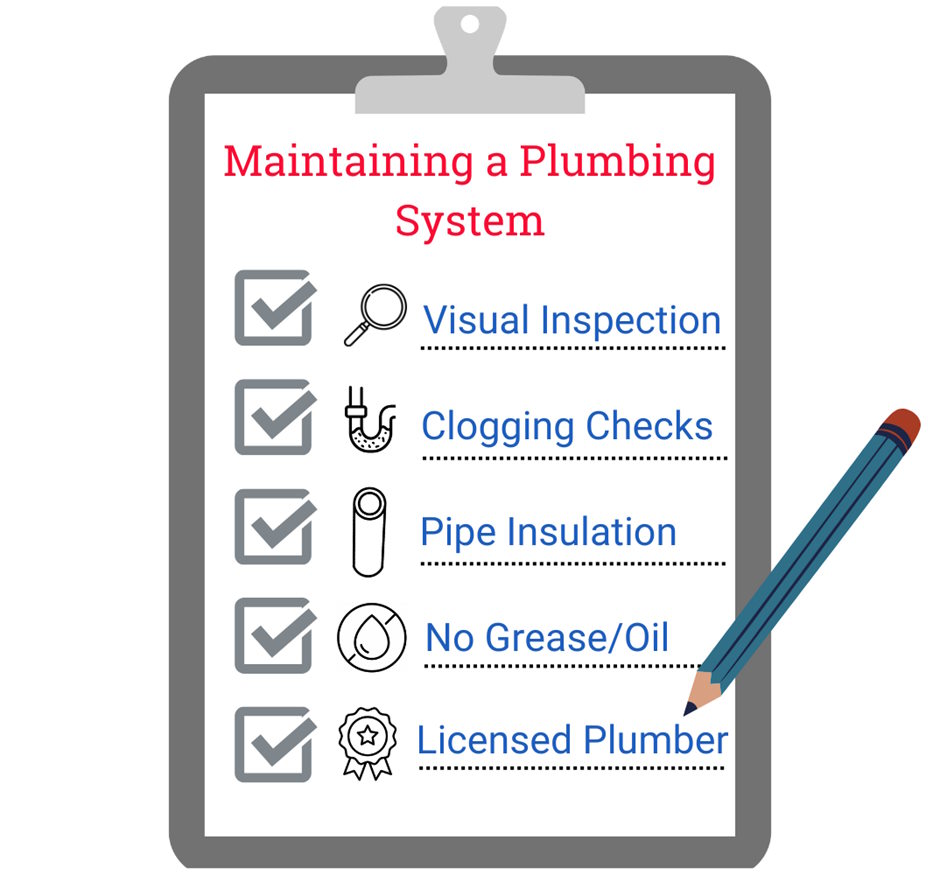
As mentioned, water pipe leaks can be a common cause of water damage. To prevent these leaks, it’s important to carefully maintain plumbing systems. Scheduling routine maintenance services from professional plumbers can keep your plumbing systems in check.
Prepare for Weather Events
If you know a storm is approaching, it’s wise to prepare your home for the upcoming weather events. Make sure your property is secure, including your roof tiles and your doors, where water can easily enter the property.
Manage Indoor Humidity
Bathrooms are one area of a home that is particularly susceptible to humidity, especially when showering or baths are being used. This moisture-laden air can quickly condense on surfaces such as mirrors, walls, ceilings, and tiles, creating an ideal environment for mould and mildew to thrive. When this humidity clings to walls, it can also lead to light water damage. To manage indoor humidity, it’s important to install high-quality extractor fans, as well as opening windows or using a dehumidifier.
Our Services at All Property Claims
If you’re worried about water damage in your property and you need to contact your home insurance provider, our team here at All Property Claims can help you manage your claim. Whether you’re dealing with flooding or leaking pipes, our specialists have the know-how you need. Our team will assess and survey the damage to your property, tell you what you’re entitled to, meet your loss adjuster, and even undertake the repair work. That’s why any home insurance water pipe leak claim can benefit significantly from the help of our experts at All Property Claims.
Please visit our website to discover the services we offer here at All Property Claims. Alternatively, please contact us directly to learn more about us and what we do today.