

Floods can be a serious risk factor for low lying, riverside and coastal properties, where unpredictable weather conditions can cause water levels to breach homes and businesses. If flood water does enter your property, then this can quickly cause widespread, costly damage to your interior, meaning you may need to make a claim on your home insurance.
As such, it is important to prevent flooding wherever possible by taking the appropriate precautions and responding quickly to weather alerts. This means you may be able to avoid any property damage, saving you time and money in the long run.
Read on to find out more about how to prepare for a flood, with a look at what you can do ahead of time to keep yourself and your property safe.
Is Flooding Likely Where You Live?
If you’re moving into a new property or looking to buy, then it is important to understand the flood risk in your area.
Localised flash flooding usually occurs after periods of heavy, continuous rainfall, where this can cause rivers to burst their banks. More specifically, this tends to occur when rivers are notably steep and narrow, as water flows more quickly in these areas.
Additionally, urban areas with poor drainage can be prone to flooding, where roads and concrete surfaces may not be able to absorb heavy rainfall quick enough. This surface water can overwhelm and block local drainage systems, leading to rising flood water.
Areas at a particular risk of flooding in the UK include Cumbria, Essex, London, Somerset and Cornwall.
You can use the government’s long-term flood risk checker to find out more about how flooding could affect your property, where this service allows you to access detailed information about your specific address.
Advanced Preparation
If you believe that your area could be impacted by flooding, then it is important to be prepared. There are numerous ways to stay informed and protect yourself ahead of time, where some top tips are discussed below:
Weather Warnings
One of the best ways to stay up to date about the flood risk level in your area is to receive regular weather warning updates from the Met Office. You can sign up for alerts within the Met Office app or via email, meaning you will be notified immediately if the flood risk has changed.
You can also receive real-time flooding updates via the Gov.uk website, where this site gives an overview of rainfall and groundwater levels alongside a 5-day flooding forecast.
Emergency Kit
In addition to staying abreast of the forecast, you can also make practical preparations within your home. Creating an emergency flood kit can help you to stay safe if you do need to leave your home quickly, where this can include phone chargers, essential medication, waterproof clothing, drinking water and emergency contact details.
Home Insurance
If your home is at risk of flooding, or if the flood risk level in your area has changed, you may want to ensure that your home insurance policy is up to date. Check with your insurance provider to see if you are covered for flood damage, where you may need to pay higher premiums if your area is regularly impacted by flooding.
Personal Flood Plan
You may wish to add a personal flood plan to your emergency provisions, where the template is available from the Gov.uk site. This document can be filled in with relevant contact information so everything is to hand in one place. You can also use your personal flood plan as a place for key notes and reminders, where this could include instructions on how to turn off your electricity or where to find your gas shut-off valve.
Flood Alerts
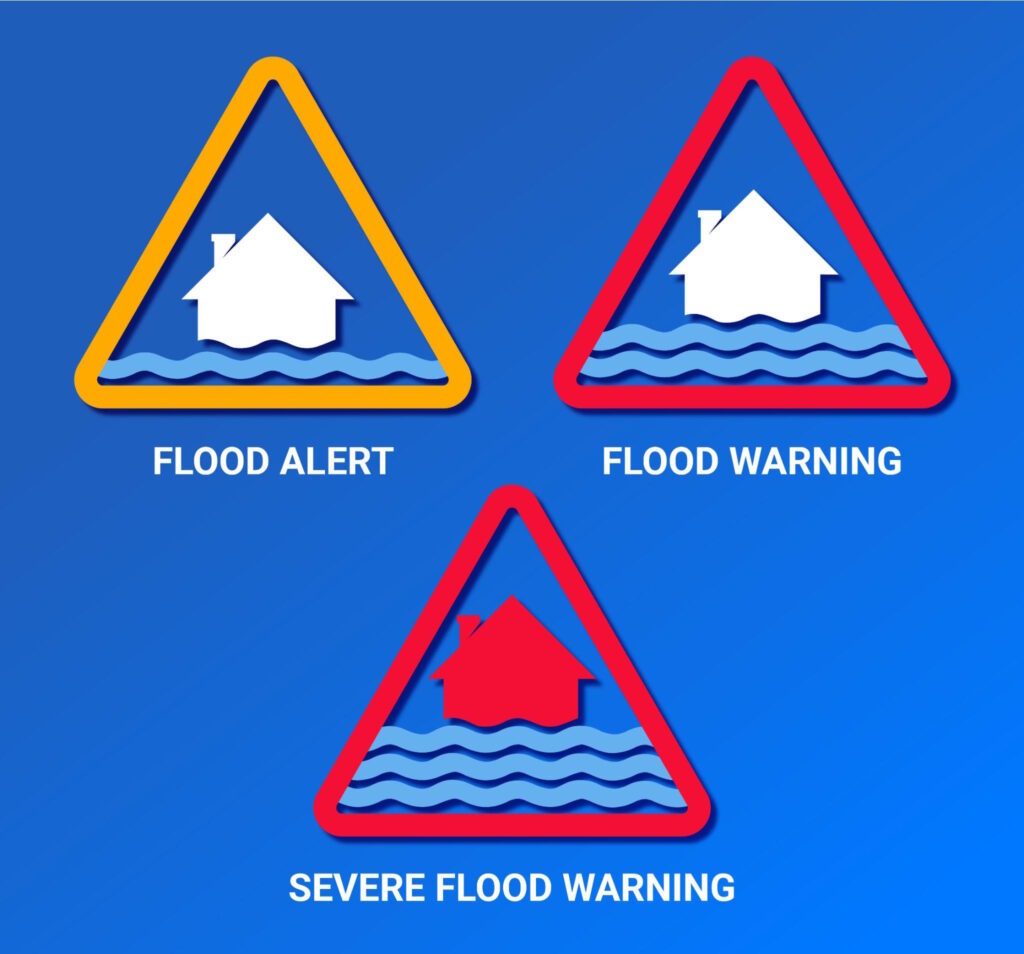
It is important to understand what various flood warnings mean when they are given, so that you know how best to respond. These alerts increase in severity, where the warning level may be updated as risk factors change. If you’re keeping an eye on the government website or have signed up for weather alerts, then you should be notified as these changes are implemented.
The three main flood warnings are as follows:
- Flood Alert
This is the least severe level of flood alert, where it indicates that there is a possibility of flooding in the area. As such, you should remain informed and vigilant, making any early preparations in case the risk level increases.
- Flood Warning
A flood warning will be issued if flooding is expected in the area, where this means that people should take immediate action in order to protect themselves and their property.
- Severe Flood Warning
This higher level of alert is an indication of imminent danger, meaning that there may be a significant risk to life due to flooding. The severe alert also warns of significant, widespread and prolonged disruption to the local community.
Responding To A Flood Warning
If a flood warning is in place for your area, then it is important to act quickly and calmly, following the advice given in the alert notification. You should also:
- Shut and lock your window and doors to protect your property from flood water, ensuring that you still have an accessible escape route
- Take photographs of your property, where these may be useful for insurance purposes following a period of flooding
- Move sentimental items, valuables and important documents to a high place or a second storey
- If you have time, park your vehicle on higher ground so it won’t be caught in the floodwater
- Place flood defences at key entrance points to your property – this could include sand bags, flood bags and flood barriers
During A Flood
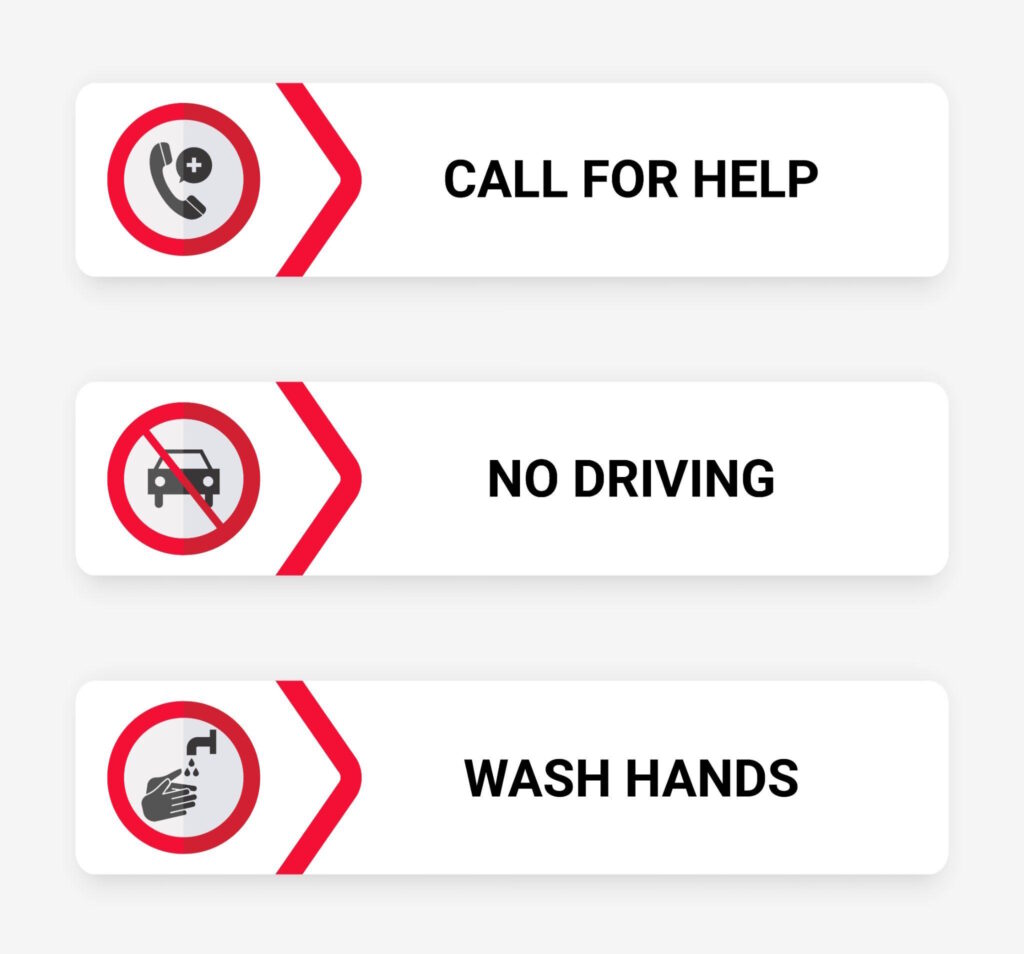
If severe flooding is underway in your area, then your own safety should be top priority. As such you should always call the emergency services for help if you feel like you’re in danger.
Additionally, you should abide by the following safety tips:
- Do not attempt to walk, swim or drive through flood water – shallow fast-flowing water can easily knock you over or float your car
- Avoid contact with flood water wherever possible as it may be contaminated with sewage – wash your hands thoroughly if you are exposed
- Turn off the main power switch in your home before evacuating – otherwise you could be electrocuted by the flood water
After Flooding
Once the period of flooding is over and the water has drained away, you will then be able to assess the damage and begin the cleanup process. Importantly, you should follow specific government guidelines on how to stay safe in your home or business following a flood.
Above all, you should aim to dispose of anything that has been contaminated by flood water, particularly food and other perishable items. It is also recommended that you boil your drinking water until local supplies are declared safe to use.
Contact Your Insurance Company
You should aim to get in touch with your insurance company as soon as possible to give them an overview of the damage to your property. This will help your claim to be as accurate as possible, where taking pictures and video evidence can also support your claim.
Making an insurance claim can be stressful. As such you may wish to enlist the help of a claims management service to relieve the burden of dealing directly with your insurer. This can make it more likely that you receive the payout that you deserve, whilst keeping the refurbishment process hassle free.
All Property Claims: Supporting You With Your Flood Damage Claim
If you’re dealing with water damaged floors, walls or appliances following a flood, then we can help you to make a successful flood damage insurance claim. Our expert team will provide an estimate for repair costs, where we will also manage the entire repairs process from start to finish.
We advocate for your best interests when it comes to making a water damage claim. If you have home insurance for flooding, then you may be entitled to a full strip-out to ensure that your interior can be repaired to a high standard. Our specialist team will work hard to help you to get what you need, where our top priority is to fairly represent your case.
Get in touch with us today to find out more about our flood damage services.