
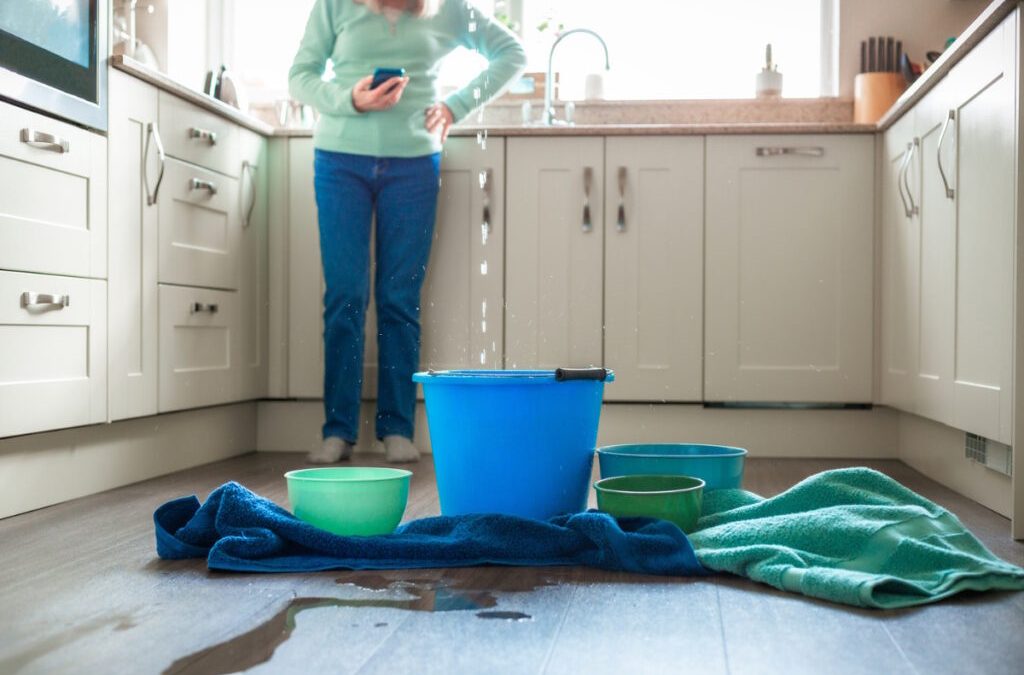
Water damage can be one of the most stressful experiences you can go through as a homeowner. Whether it’s a roof leak or a water-damaged wall, dealing with the aftermath can be daunting. However, filing for a water damage insurance claim doesn’t have to be a headache; in fact, at All Property Claims, we aim to make this process as smooth for clients as possible. With this in mind, this ultimate guide will walk you through the key steps you’ll need to take to file a water damage insurance claim.
Common Causes of Water Damage
Water damage can happen at any time, and has the potential to cause some serious damage – especially if it’s not taken care of right away. Being aware of the most common causes of water damage and making sure that your insurance policy covers these types of damage is the best way to make sure you can file a claim when disaster strikes.
Broken or Leaking Pipes
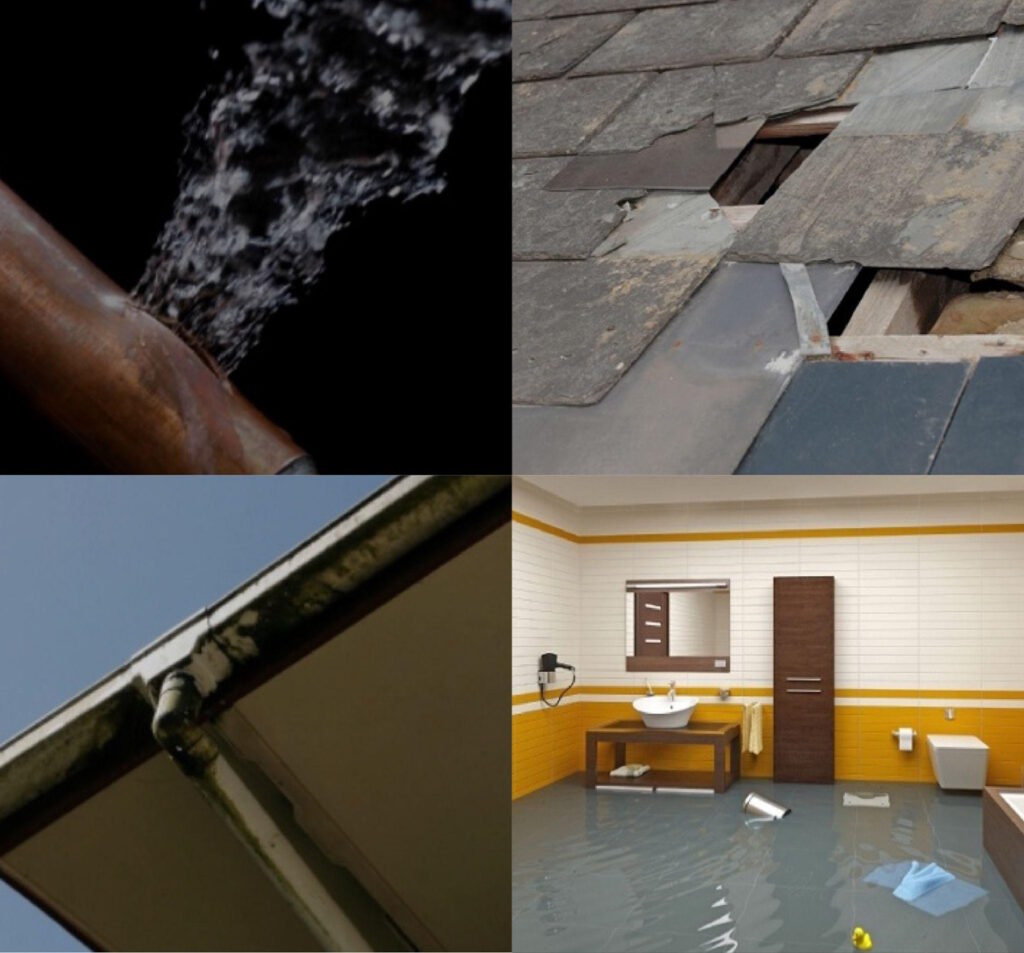
Leaking or broken water pipes are among the most common causes of water damage. Sometimes, all it takes is a change in water pressure or freezing temperatures for a pipe to burst, and even a small, dripping leak can lead to significant water damage over time. This means that a lot of water damage often goes unnoticed – potentially in your walls or in areas that aren’t highly trafficked – until it’s too late.
Water Overflow
Many of us have made the mistake of forgetting to turn off the sink or bath tap, but if you don’t realise fast enough, you can have a very damp problem on your hands. Plus, if it’s not completely dried out or restored right away, you may also have permanently damaged wood and mould growth.
Extreme Weather
Thunderstorms and other extreme weather conditions don’t happen on the daily, but when they do, there will always be a risk of water damage striking your home. Strong winds and heavy downpours could cause damage to your roof, sending a certain amount of rainwater straight down into your property. Worse still, severe weather conditions can occasinally lead to flash flooding – particularly if you live in a flood-prone area – at which point the water damage to your home can be extensive.
Faulty Home Appliances
Malfunctioning or clogged home appliances can cause appliances to leak. A dishwasher leak, for example, can cause water damage to your kitchen cupboards in the form of warped wood and mould growth. Fridges can also experience a clogged pipe or leaking defrost pan, while washing machines and HVAC units can become worn with time and start to leak unless they’re regularly maintained.
How to File a Water Damage Insurance Claim
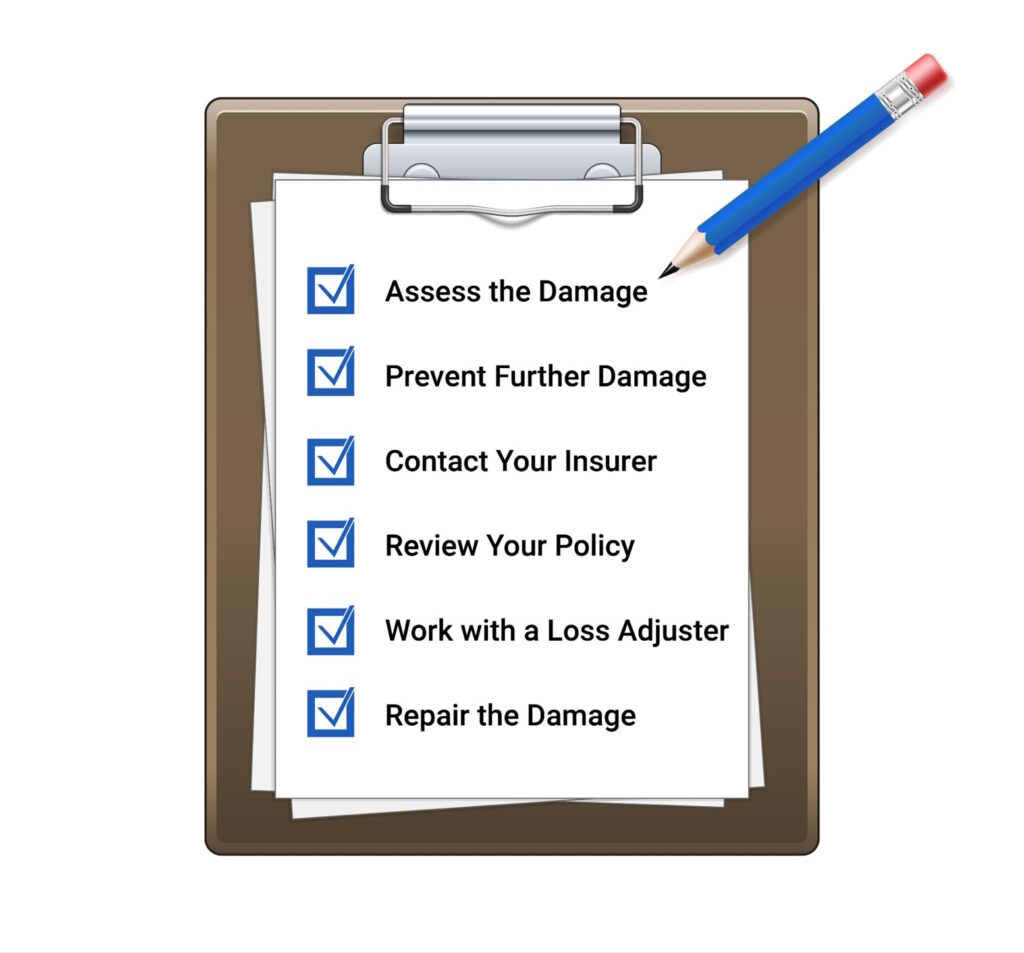
Step 1: Assess the Damage
The first thing you need to do when you discover water damage is to assess the extent of the damage. Whether it’s a water-damaged wall from a leaking pipe or a roof leak that has compromised your ceilings, document everything with photographs or videos. This will serve as strong evidence when filing your water damage claim.
Step 2: Prevent Further Damage
After assessing the damage, it’s essential that you take immediate action to prevent further damage from happening. This could involve switching off the main water supply if you have a burst pipe, temporarily covering a roof leak or even just moving belongings away from a water damaged wall so they don’t get damp. Insurers expect you to take reasonable steps to minimise the damage, so failing to do so could affect your claim.
Step 3: Contact Your Insurer Immediately
Once you’ve mitigated the damage as much as possible, it’s time to contact your insurer. You should report the water damage claim as soon as possible; most insurance policies have a time frame within which you need to file a claim, so don’t delay. Provide them with the evidence you’ve collected and a detailed account of what happened.
Step 4: Review Your Insurance Policy
Because home insurance policies can differ so much, understanding what your insurance policy covers can be really useful when filing a water damage insurance claim. For instance, some policies may cover a roof leak caused by a storm, while others may not unless you have accidental damage cover.
For identification purposes, make sure that you also have your policy number and personal details to hand when speaking to your insurer.
Step 5: Work with a Loss Adjuster
In many cases, your insurer will send a loss adjuster to your home to evaluate the damage. They will inspect your property and determine the payout amount. Make sure that you’re extra prepared for this visit: present all of your evidence and discuss the extent of the damage clearly.
Step 6: Repair the Damage
Finally, once your claim has been approved, your focus should shift to repairing your home. Depending on your policy, you might have the freedom to choose your contractors, or you may have to use those who are approved by your insurer. If the process stalls or any disputes crop up, stay calm and seek mediation or advice on escalating your concerns with your insurance company.
Why Choose All Property Claims?
At All Property Claims, we specialise in managing water damage claims from start to finish, taking the burden off your shoulders. We understand how stressful and disruptive water damage can be to your home and life, which is why we aim to make the process of filing a claim, obtaining a payout and repairing the damage as hassle-free as possible. We take pride in our ability to deftly negotiate with insurers, helping you receive the compensation that you’re entitled to.
Our professional team has extensive experience with water damage insurance claims – from assessing the damage to managing repairs. We do our best to make sure that your home is restored to its original condition – all with minimal stress on your part.
We deal with a wide range of water damage-related claims, including:
- Storm damage
- Gutters and drains
- Flood damage
- Leaking pipes
Get Started on Your Water Damage Claim Today
If you’ve experienced water damage, don’t wait to take action. The sooner you begin the water damage claims process, the better your chances of a positive outcome. Let All Property Claims do the heavy lifting during this stressful time: get in touch with us on 0203 011 2495 or fill out our online form to request a free consultation.