
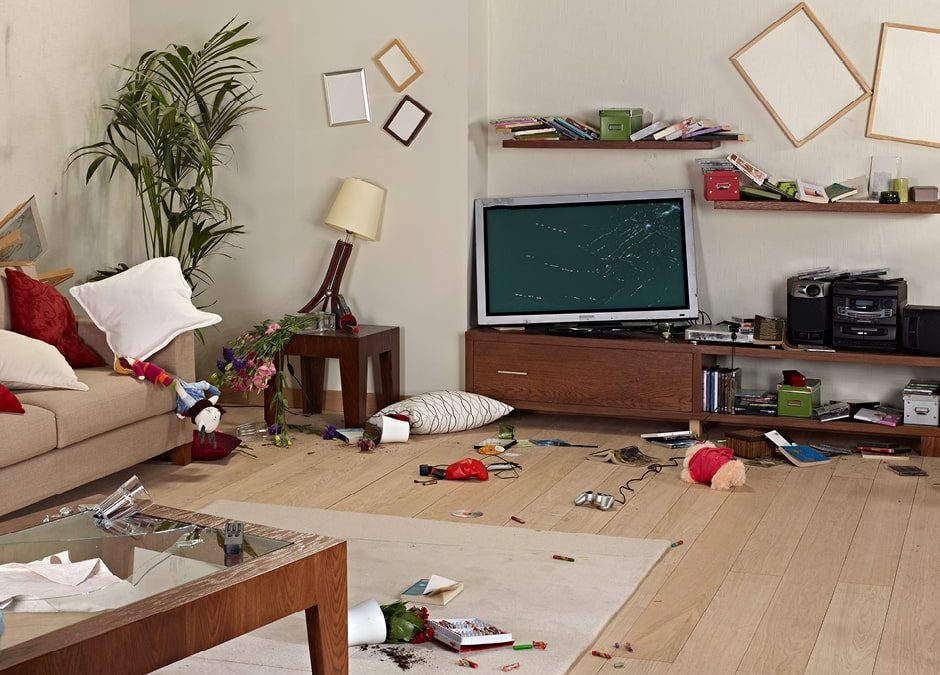
Malicious damage is a particular form of insurance coverage designed for landlords who are renting out property and may face damages caused by vandals, neighbours, or even the tenant themselves. Not always available in all insurance policies, malicious damage coverage is especially important for landlords renting property to tenants, and can in some cases even cover damage from third party individuals. Malicious damage insurance will cover the cost of repairs needed for any damage caused by tenants, but we recommend seeking a policy that offers both tenant and third party coverage.
What Is Malicious Damage?
Generally covering the cost of damages caused by an individual who was not given legal access to the premises, malicious damage coverage is a broad term covering a complex range of issues that aren’t always, well, “malicious”. Malicious damage can involve the accidental kicking of a football through your bedroom window, but can also mean a deliberate attempt to extensively damage property on a previous workplace in anger. For these reasons, insurers often define malicious damage in a number of ways, often providing malicious damage coverage for landlords who may face the risk of damage to their property from tenants during a disagreement, for instance. Some examples of malicious damage include:
- Smashing of windows
- Graffiti
- Damage to doors and hinges
- Destroying landlord property
- Damage to indoor surfaces
- Theft of landlord’s property
How To Avoid Malicious Damage
Avoiding malicious damage can be as simple as open and honest communication with your tenant. It’s important to understand their situation, schedule and workload, to ensure you can visit for inspections regularly, but at a time where it is suitable and if organised with appropriate notice. Here are some important ways to avoid malicious damage:
Screen Your Tenants
It’s not unusual to screen your tenants before signing a lease, but with bad references hard to come by, it’s important to ask for a stronger dose of security by confirming a deposit, asking about rental insurance or requesting a guarantor. For many letting agencies or private landlords, a guarantor is usually necessary to secure the keys to the property.
Regular Inspections
Regular property inspections are essential in the overall maintenance of the property and to ensure the tenants are committed to their end of the contract. A strong working relationship with your tenant is of the highest importance, and they should always be open and honest about basic wear and tear, which is, of course, understandable, and should be treated as such. However, if your tenant is deliberately not keeping the property at its best possible standard, regular inspections will let you know quickly. If your relationship is good, visitation should be understood and as a landlord, so should inoffensive wear and tear and a few dirty dishes in the case of your tenant.
Been a victim of malicious damage? At All Property Claims, we can help you by carrying out emergency repairs such as boarding or locks while we deal with your claim with insurers for permanent repairs. We can start work almost immediately and help you feel safe in your own home again. Contact our expert team today.